Beyond the Handover: NCS and NDLEA Form Joint Committee to Close Accountability Gaps and Tighten Nigeria’s Anti-Drug Enforcement Chain
Summary
The Nigeria Customs Service and the National Drug Law Enforcement Agency have taken a significant step to restructure their anti narcotics partnership, constituting a joint committee to review and strengthen the existing Memorandum of Understanding between both agencies. The decision followed a high level strategic meeting on Monday, April 27, 2026, at the NDLEA Headquarters in Jahi, Abuja, between Comptroller General of Customs Adewale Adeniyi and NDLEA Chairman Brigadier General Mohamed Buba Marwa (rtd). The meeting produced a signed communiqué and a frank exchange about gaps in post seizure accountability including delays in drug destruction, absent prosecution feedback, and weaknesses in exhibit tracking that have undermined the integrity of Nigeria’s enforcement chain. Key outcomes include the establishment of joint task forces at major entry and exit points, a secure intelligence sharing platform, and a standing dispute resolution committee.
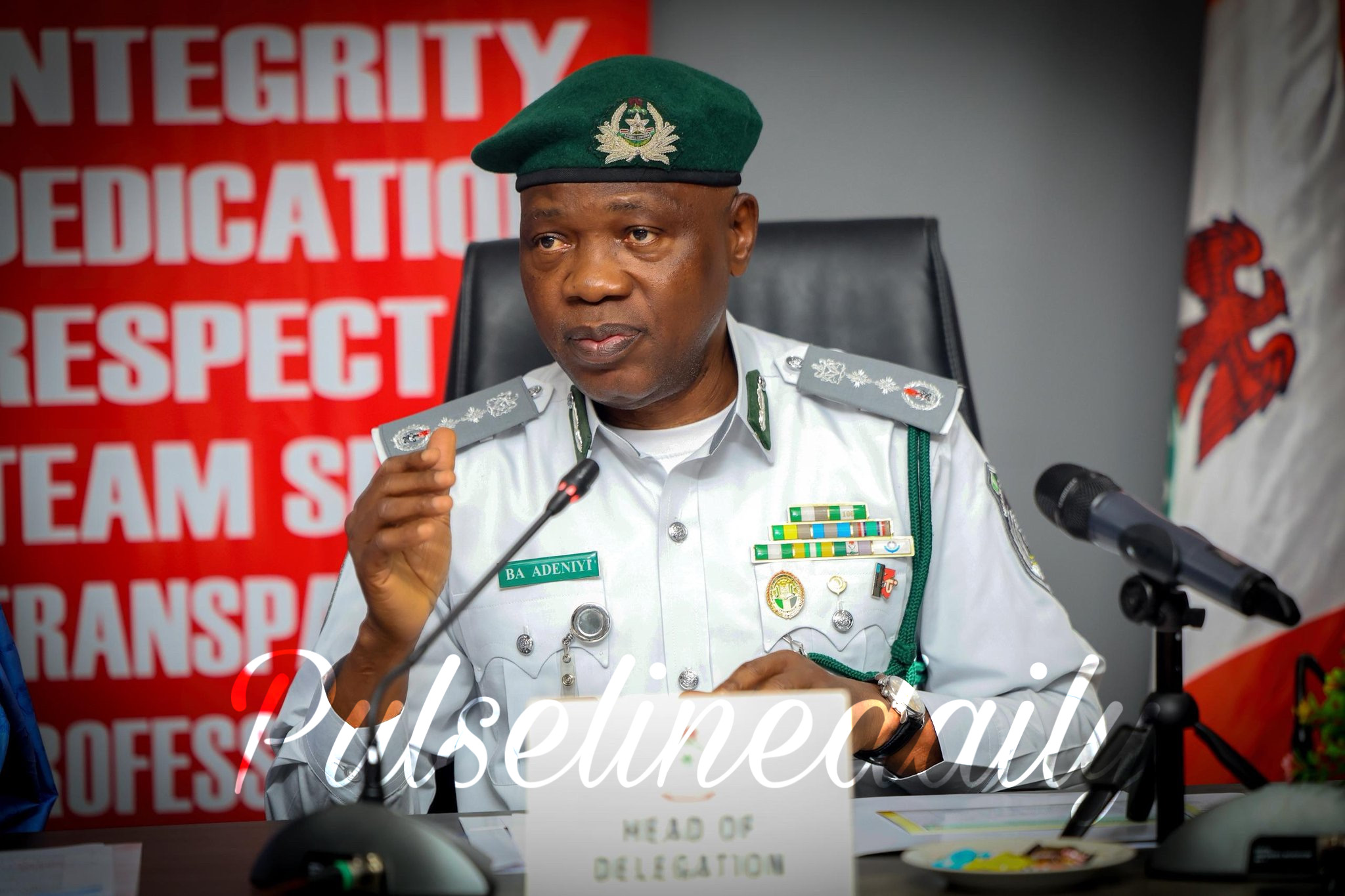
Two of Nigeria’s most consequential frontline security agencies have acknowledged, in unusually frank terms, that their partnership against narcotics trafficking has gaps and have moved with institutional seriousness to close them. The Nigeria Customs Service and the National Drug Law Enforcement Agency have signed a comprehensive framework to enhance inter-agency collaboration, following a high level meeting at the NDLEA headquarters in Abuja on Monday, April 27, 2026, where a communiqué was signed by NDLEA Chairman Brig. Gen. Mohamed Buba Marwa and Comptroller General of Customs Bashir Adewale Adeniyi.
The meeting, held at the NDLEA National Headquarters in Jahi, focused on three interlocking concerns: tightening existing collaboration, improving accountability on seized narcotics cases, and building a more coordinated enforcement structure between the two agencies. Adeniyi arrived at the meeting fresh from international engagements across Europe and Asia, and the global context he brought with him gave the proceedings an urgency that went well beyond bureaucratic formality.
“I came here directly from international engagements in Europe and Asia, and at every table narcotics trafficking remained a major issue. The West African corridor is under serious watch,” the CGC stated. He did not mince words about the stakes: “The agreements we sign abroad will only carry value when our operational credibility at home supports them. If intelligence shared with Nigeria is not pursued to interception, prosecution and destruction, our standing is weakened.”
The Customs boss acknowledged that the Service has continued to make major seizures and handovers to NDLEA, particularly through the Apapa Command but pushed firmly on the question of what happens after the handover. He described a chain of enforcement that too often breaks at its later links: “Interdiction is only the first act of enforcement, not the last. Where narcotics are transferred but not promptly destroyed, where prosecution advances without feedback, and where exhibits are separated from originating officers, then the chain of enforcement is incomplete.”
His proposed framework was specific and actionable joint destruction of seized drugs where suspects are not arrested, periodic case status reports, coordinated court appearances, and standing liaison channels at command level. “We have not come here to apportion blame. We have come to design the next phase of a partnership that has carried Nigeria this far and must now carry it further,” Adeniyi declared.
Marwa’s response matched the candour of the challenge. He accepted the accountability critique as legitimate and timely: “The concerns relating to post-transfer accountability, prosecution outcomes and disposal processes are valid concerns. We must move beyond ceremonial handovers to a structured and mandatory reporting framework under which NDLEA provides formal updates on investigations, prosecutions and final disposal of Customs-originated seizures.”
Under the new framework, NDLEA and Customs will form joint task forces at key entry points, establish a secure intelligence sharing platform, and set up a standing committee to resolve disputes. Both agencies pledged to respect each agency’s legal mandate while deepening collaboration at seaports, airports, and land borders.
Both agencies acknowledged that the increasing complexity of transnational organised crime requires a more coordinated institutional response. The framework is designed to eliminate operational overlaps, minimise friction, and ensure seamless intelligence sharing. Marwa also proposed the immediate establishment of a joint committee to review grey areas in the existing MoU signed by both agencies under previous administrations, with the committee mandated to recommend clearer procedures and, where necessary, draft a supplementary agreement for approval by both leaderships.
Both Marwa and Adeniyi reiterated that the partnership is a national security priority aligning the strengths of both agencies to create a more formidable barrier against illicit drug trafficking and improve the overall security architecture of Nigeria’s entry and exit points.
Analysis
The frankness of Monday’s meeting is its most important feature. Inter agency meetings in Nigeria’s security sector have a long tradition of producing communiqués that celebrate existing cooperation and announce vague commitments to deeper partnership. What happened at NDLEA headquarters on April 27 was different two agency heads sat across a table and one told the other, with the cameras running, that the system they have built together has identifiable weaknesses that are costing Nigeria its international credibility. Adeniyi’s observation that intelligence shared by foreign partners must be “pursued to interception, prosecution and destruction” to maintain Nigeria’s standing is not a diplomatic nicety. It is a direct acknowledgement that the West African drug corridor has attracted sustained international scrutiny, and that Nigeria’s ability to receive and act on foreign intelligence the kind that leads to the largest seizures depends on demonstrating that it does something meaningful with what it is given. A customs service that seizes drugs and hands them over, but receives no feedback on whether those drugs were destroyed or those suspects prosecuted, cannot credibly report back to its international partners that the intelligence loop was closed. The post-seizure accountability gap Adeniyi identified is real and long standing. Nigeria’s anti-narcotic enforcement has historically been evaluated at the point of seizure in kilograms intercepted, in containers flagged, in handover ceremonies at Tincan and Apapa. But seizure without prosecution, and prosecution without conviction, and conviction without destruction of exhibits represent an incomplete deterrent. Traffickers whose shipments are seized but whose networks remain intact, and whose exhibits disappear into an opaque chain of custody, do not face the full cost of their criminality. The joint committee’s mandate to design a “structured and mandatory reporting framework” is precisely the institutional architecture Nigeria needs to close that gap. What will determine whether Monday’s outcomes matter is what happens in the joint committee over the coming weeks. The mandate is clear review the MoU, identify grey areas, recommend clearer procedures, and draft a supplementary agreement where necessary. The accountability framework Adeniyi proposed, and Marwa accepted, is specific enough to be measured: periodic case status reports, coordinated court appearances, joint destruction protocols. Each of these is a verifiable commitment. When the committee reports, Nigeria will be able to assess whether the frankness of April 27 produced the structural change it promised.
Tags