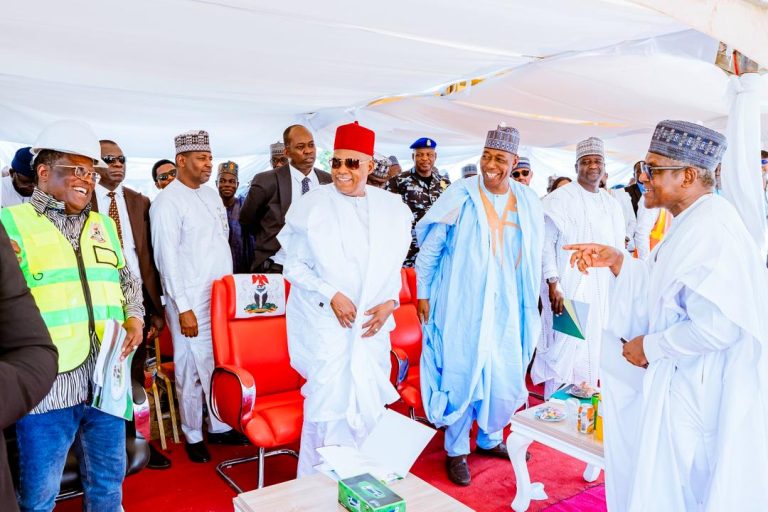
FG Flags Off Road Rehabilitation In Borno
Summary
The Federal Government has begun rehabilitating key roads in Borno State to boost trade and security. This move is part of the administration's commitment to rebuilding the North-East region. The project aims to reconnect communities and restore economic confidence.
FG Flags Off Road Rehabilitation In Borno
The Federal Government, through Vice President Senator Kashim Shettima, has flagged off the rehabilitation of the Bama-Banki Road and Dikwa-Gamboru-Ngala Road in Borno State. This project is a strategic move to restore trade corridors, enhance security access, and facilitate post-insurgency recovery in the North-East. The Vice President performed the flag-off on behalf of President Bola Ahmed Tinubu on Saturday, highlighting the administration's dedication to rebuilding the region.
What Was Announced
The government announced the rehabilitation of two critical roads in Borno State, which will include bridges, drainage, safety facilities, and other supporting infrastructure. The projects are designed to strengthen cross-border economic activity, improve security access, and reconnect communities that have been affected by years of insecurity and infrastructural neglect. According to Vice President Shettima, "roads determine whether farmers can move produce to markets, traders can reach customers, children can access schools, patients can reach healthcare facilities, and security agencies can respond to communities in time."
What This Means for Nigerians
The rehabilitation of these roads will have a significant impact on the lives of Nigerians in Borno State and the broader North-East region. It will facilitate the movement of goods, services, and people, thereby boosting trade and economic activity. The improved road network will also enhance security access, allowing security agencies to respond more effectively to emergencies and protect communities. Additionally, the project will create jobs and stimulate local economies, contributing to the region's post-insurgency recovery.
Context and Background
The North-East region has been affected by years of insurgency, which has led to significant infrastructural damage and economic disruption. The rehabilitation of roads is a critical component of the region's recovery efforts, as it will help to restore mobility, rebuild economic confidence, and reconnect communities. The Tinubu administration has made infrastructure development a central priority, recognizing its importance in driving economic growth and improving the lives of Nigerians.
What Happens Next
The next steps in the project will involve the actual rehabilitation work, which will include the construction of bridges, drainage, and safety facilities. The government has emphasized its commitment to durability, stronger supervision, and value for public resources, ensuring that the projects are completed to a high standard. Nigerians should watch for the progress of the project, including the timelines for completion and the impact on local communities.
The flagging off of the road rehabilitation project in Borno State is a significant development that underscores the Federal Government's commitment to rebuilding the North-East region and restoring the livelihoods of Nigerians affected by insurgency, and it will be crucial to monitor the project's progress and its impact on the region's economic and security landscape.
Attribution: State House, Abuja
Analysis
This initiative signifies the Tinubu administration's focus on infrastructure development as a catalyst for economic growth and security. By prioritizing road rehabilitation, the government is addressing a critical need in the region and demonstrating its commitment to post-insurgency recovery.