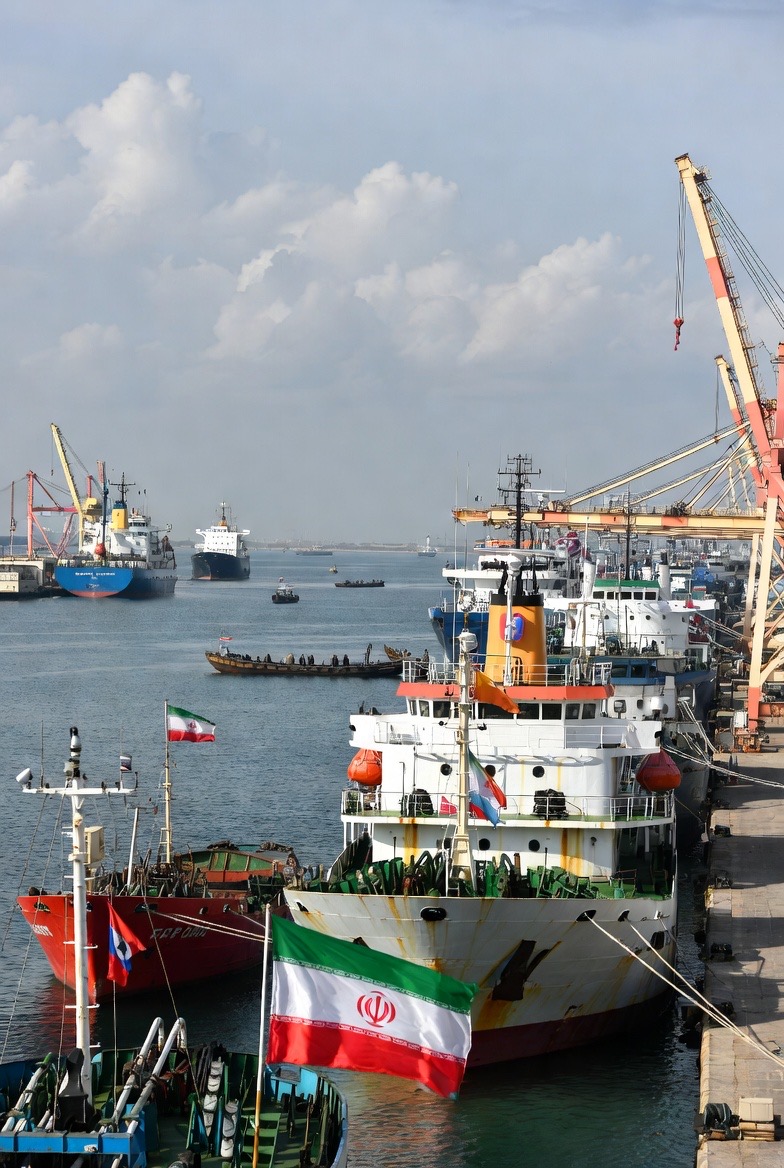
Iran Seizes Ships in Strait of Hormuz After Trump Halts Attacks Article
Summary
Iran’s seizure of ships in the Strait of Hormuz has heightened global tensions following a pause in U.S. military action. The move threatens oil supply stability and raises concerns about regional security and escalation.
Tensions in the Middle East have escalated sharply following Iran’s reported seizure of multiple vessels in the Strait of Hormuz, a critical global shipping route, in the aftermath of a decision by former U.S. President Donald Trump to halt planned military actions in the region. The development has reignited concerns over maritime security, global oil supply stability, and the broader geopolitical balance in the Gulf.
According to regional security sources, Iranian naval forces, including elements of the Islamic Revolutionary Guard Corps (IRGC), intercepted and detained several ships transiting through the strategic waterway. The Strait of Hormuz, which connects the Persian Gulf to the Gulf of Oman, handles roughly a fifth of the world’s oil supply, making any disruption highly consequential for global markets.
The seizures reportedly occurred shortly after signals emerged from Washington indicating a pause in aggressive military posturing. Analysts suggest that Iran may have interpreted the move as an opportunity to assert control and reinforce its influence in the region without immediate fear of retaliation.
Iranian officials have not fully disclosed the identities or nationalities of the vessels involved, but initial reports indicate that some ships may have been linked to Western or allied interests. In past incidents, Iran has justified such actions as enforcement of maritime laws or responses to perceived violations of its territorial waters. However, critics argue that these seizures are politically motivated and intended to exert pressure on global powers.
The timing of the incident is particularly significant. The halt in U.S. military operations was widely seen as a de-escalation effort aimed at avoiding further conflict in an already volatile region. However, the unintended consequence appears to be a power vacuum, allowing Iran to demonstrate its capability to control one of the world’s most important maritime corridors.
Global reactions have been swift. Oil prices showed immediate volatility following the news, reflecting market anxiety about potential supply disruptions. Shipping companies have begun reassessing risk levels, with some considering rerouting vessels or increasing insurance coverage for voyages through the region.
Diplomatic responses have also intensified. Several Western governments have condemned the seizures, calling for the immediate release of the ships and their crews. At the same time, there are growing calls for renewed diplomatic engagement to prevent further escalation.
Military analysts warn that the situation could spiral if not carefully managed. While the U.S. has paused direct military actions, it maintains a significant naval presence in the region. Any confrontation between Iranian forces and international naval units could quickly escalate into a broader conflict.
Meanwhile, regional actors are closely monitoring the situation. Gulf states, many of which rely heavily on the Strait for oil exports, have expressed concern over the potential economic fallout. Some countries are reportedly exploring alternative export routes, although these options remain limited and costly.
The incident underscores the fragile balance of power in the Middle East. It highlights how quickly shifts in policy can lead to unintended consequences, particularly in regions where tensions are already high.
As diplomatic efforts continue, the international community faces a critical challenge: ensuring freedom of navigation while avoiding actions that could further inflame the situation. The coming days will likely be pivotal in determining whether this crisis can be contained or whether it will escalate into a larger geopolitical confrontation.
Analysis
Iran’s actions appear strategic, exploiting perceived reduced U.S. aggression to assert dominance. This highlights a recurring pattern in geopolitics: de-escalation by one power can create opportunities for another. The key risk now lies in miscalculation—any aggressive response could trigger a wider conflict affecting global energy markets and international trade.