Nigeria Agricultural Commodity Prices, June 2026
Summary
Cocoa price drops 1.09% to $5,103/tonne.
Nigerian Agricultural Commodity Prices: Trends and Implications
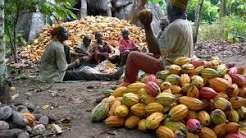
The Nigerian agricultural sector is experiencing a mixed trend in commodity prices, with cocoa prices dropping by 1.09% to $5,103.00/USD/tonne, according to ICE Futures data. This decline has significant implications for Nigeria, which is Africa's 4th-largest cocoa producer. The drop in cocoa prices could affect the incomes of cocoa farmers in major producing states like Ondo, Osun, and Cross River, potentially impacting their livelihoods and the overall agricultural sector.
Cocoa Prices and Nigerian Farmers
The current cocoa price of $5,103.00/USD/tonne may lead to reduced revenues for Nigerian cocoa farmers, who are already struggling with challenges like poor infrastructure, inadequate storage facilities, and limited access to credit. This could hinder the country's ability to meet its cocoa production targets and affect its global market share. To mitigate this, it is essential for the government and other stakeholders to provide support to cocoa farmers, including training on best practices, provision of inputs, and improvement of infrastructure.
Palm Oil Market
Palm oil prices have also been affected, with the World Bank reporting changes in global demand and supply. The price impact on farmers, processors, and local consumers is significant, as palm oil is a staple commodity in Nigeria. Higher prices could lead to increased costs for consumers, while lower prices may affect the incomes of farmers and processors. The government should consider implementing policies to stabilize palm oil prices, ensuring that farmers and processors receive fair prices for their products while keeping consumer prices affordable.
Groundnuts and Northern Agriculture
Groundnut prices are also crucial for Nigeria's agricultural sector, particularly in the northern regions, where Kano, Kaduna, and Katsina are major producers. The World Bank has reported fluctuations in groundnut prices, which could impact farmers' incomes and export earnings. The government should prioritize the development of the groundnut value chain, providing support to farmers, processors, and exporters to increase production and exports.
What Government and Exporters Should Do
To address the challenges posed by the current commodity prices, the government and exporters should consider the following recommendations:
- Provide support to farmers, including training, inputs, and infrastructure development, to improve productivity and quality.
- Implement policies to stabilize prices, ensuring fair prices for farmers and affordable prices for consumers.
- Develop and implement strategies to diversify Nigeria's agricultural export portfolio, reducing dependence on a few commodities.
- Invest in market research and analysis to provide insights on global market trends and prices, enabling informed decision-making.
Outlook
The general market direction for agricultural commodities is expected to be influenced by global demand and supply trends, as well as factors like weather conditions, pests, and diseases. To remain competitive, Nigerian farmers and exporters must adapt to these changes, prioritizing quality, productivity, and diversification. By doing so, they can capitalize on opportunities in the global market and contribute to the growth and development of the country's agricultural sector. As the sector continues to evolve, it is essential for stakeholders to stay informed about market trends and prices, such as the current nigeria cocoa price, palm oil price nigeria, and groundnut price nigeria, to make informed decisions and drive growth.
Analysis
The current prices of key Nigerian agricultural export commodities have significant implications for farmers, exporters, and the national economy, with the decline in cocoa prices potentially affecting farmers' incomes and export earnings. The prices of palm oil and groundnuts also have a substantial impact on local consumers and the country's agricultural sector.