Nigerian Military Destroys ISWAP Logistics Network in Lake Chad, Neutralises Over 30 Fighters in Coordinated Operations
Summary
Troops of Operation HADIN KAI have carried out coordinated air and ground operations in the Lake Chad Basin and Sambisa Forest areas of Borno State. The military reports the destruction of ISWAP logistics infrastructure, including boats and gun trucks, with over 30 insurgents allegedly neutralised between 21 and 22 April 2026. The operation is said to have significantly disrupted insurgent mobility and supply networks.
The Nigerian military has intensified counter-insurgency operations in the North-East, conducting precision strikes against Islamic State West Africa Province (ISWAP) logistics and mobility structures across key locations in Borno State.
According to a statement attributed to the Theatre Commander of Operation HADIN KAI, Lt. Col. Sani Uba, the operations took place along strategic waterways in the Lake Chad Basin, particularly around the Kaniram Island axis.
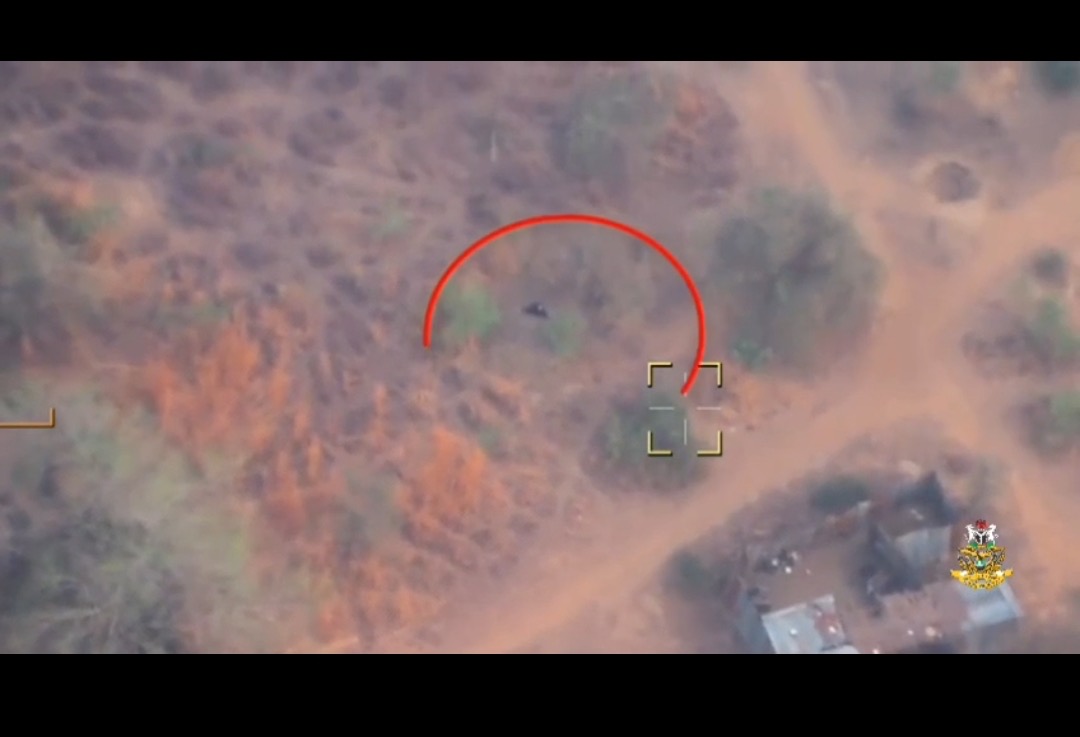
Intelligence reports reportedly indicated the movement of several boats suspected to be used for logistics support and coordination by insurgent elements. Acting on this intelligence, air assets were deployed to carry out precision strikes, resulting in the destruction of multiple boats and disruption of identified supply routes.
Following the initial engagement, surveillance systems were used to monitor fleeing and regrouping elements. This led to additional targeted strikes on nearby locations, which the military claims resulted in the neutralisation of more than 30 ISWAP fighters.
In a separate operation in the Sowolwolo area of the Sambisa Forest axis, precision-guided airstrikes reportedly destroyed three gun trucks and eliminated additional insurgent elements operating within the area.
Military authorities further stated that post-operation assessments indicated significant disruption to ISWAP’s logistics and mobility capacity within the region. Reports of mass burial activities by insurgent elements in nearby locations were also noted, although such claims remain subject to independent verification.
Ground forces have since been deployed to consolidate control in the affected areas and prevent any possible regrouping or re-establishment of insurgent positions.
Analysis
Operational and Strategic Impact 1. Disruption of logistics network The targeting of boats, gun trucks, and supply routes suggests a focus on degrading ISWAP’s logistical backbone. In asymmetric warfare, disrupting supply chains can significantly weaken operational capacity over time. 2. Intelligence-driven warfare The operation reflects increased reliance on intelligence, surveillance, and reconnaissance (ISR) systems, enabling precision targeting and real-time tracking of insurgent movement. 3. Restriction of mobility corridors By striking both waterways and forest-based routes, the military appears to be limiting ISWAP’s ability to move between operational zones, reducing tactical flexibility. 4. Verification limitations As with most active conflict reporting, casualty figures and damage assessments are based on military intelligence and may not be independently verified at the time of publication.