Tinubu Vows to Partner with Religious Leaders for Peace
Summary
President Bola Ahmed Tinubu has reaffirmed his commitment to interfaith dialogue, aiming to promote peace and harmony among Nigeria's diverse religious communities. This move is significant as it addresses the country's security challenges. Tinubu's administration will work closely with religious leaders to achieve this goal.
Tinubu Vows to Partner with Religious Leaders for Peace
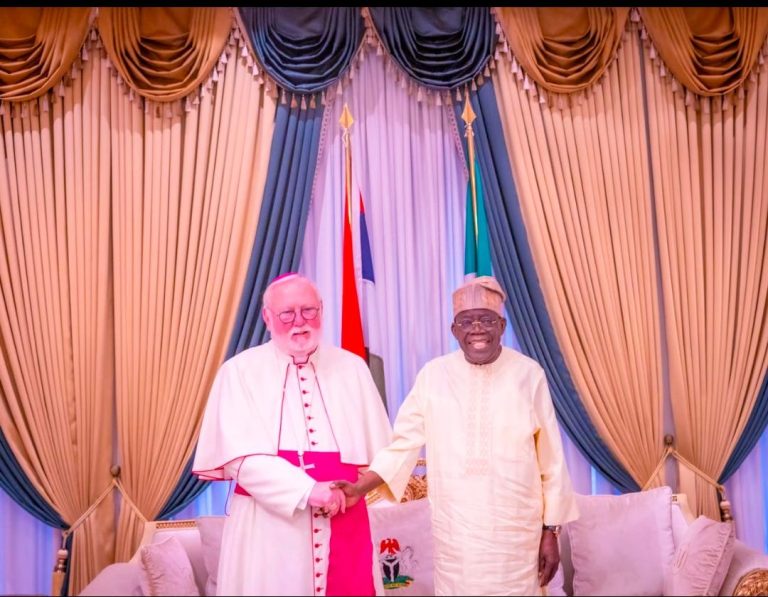
President Bola Ahmed Tinubu has reaffirmed his administration's commitment to prioritizing interfaith dialogue and promoting peace, harmony, and tolerance among Nigeria's diverse religious communities. This commitment was made during a meeting with Archbishop Paul R. Gallagher, the Secretary for Relations with States and International Organisations of the Holy See, at the President's residence in Abuja on Saturday. The President's statement underscores the importance of interfaith dialogue in addressing the country's security challenges, recognizing the critical role religious leaders play in promoting peace and tolerance.
What Was Announced
President Tinubu expressed his appreciation for the contributions of the Catholic Church to education and health in Nigeria, particularly noting his past experiences and support for the Church's initiatives during his tenure as governor of Lagos. He also commended the efforts of Pope Leo XIV in promoting world peace, acknowledging the significant impact of the Pope's spiritual leadership globally. The President reassured Archbishop Gallagher that his administration would continue to work towards religious harmony among all faiths, encouraging religious leaders to preach peace and tolerance.
What This Means for Nigerians
The President's commitment to interfaith dialogue and partnership with religious leaders has significant implications for Nigerians. By promoting peace and harmony among diverse religious communities, the government aims to address the country's security challenges more effectively. This approach recognizes the influential role of religious leaders in shaping public opinion and promoting social cohesion. As a result, Nigerians can expect a more concerted effort from the government to engage with religious communities and support initiatives that foster peace and tolerance.
Context and Background
The Nigerian government has long grappled with security challenges, including terrorist activities and communal conflicts. The country's diverse religious landscape, with a mix of Christian, Muslim, and traditional beliefs, has sometimes been a source of tension. Previous administrations have attempted to address these challenges through various initiatives, including interfaith dialogue and community engagement. The Tinubu administration's emphasis on interfaith dialogue marks a continuation of these efforts, with a renewed focus on partnering with religious leaders to promote peace and harmony.
What Happens Next
As the Tinubu administration moves forward with its interfaith dialogue initiative, Nigerians can expect increased engagement between the government and religious leaders. The President's commitment to supporting the Catholic Church's contributions to education and health may also lead to increased collaboration between the government and faith-based organizations. Additionally, the administration's efforts to invest in youth development and prevent radicalization may involve working closely with religious leaders to promote positive values and counter extremist ideologies. Nigerians should watch for further announcements on the implementation of these initiatives and their impact on the country's security landscape.
The President's proactive approach to interfaith dialogue and partnership with religious leaders marks a significant shift in the government's strategy to address Nigeria's security challenges, one that may ultimately have a lasting impact on the country's social cohesion and stability.
Analysis
The President's emphasis on interfaith dialogue signals a proactive approach to tackling Nigeria's security issues, leveraging the influential role of religious leaders in promoting peace and tolerance. This strategy may mark a new direction in the Tinubu administration's security policy, focusing on community engagement and social cohesion.