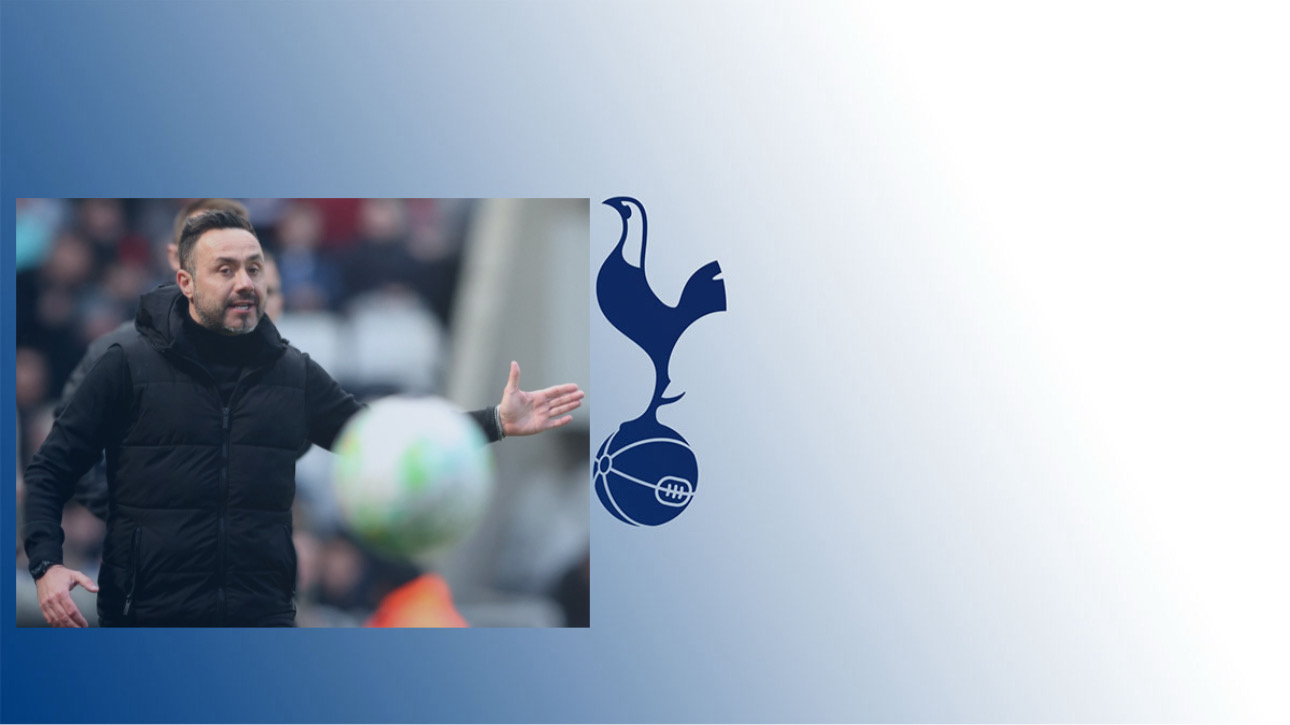
Tottenham Turn to Sports Psychologist in Bid to Fix Mental Weakness and Improve Results
Summary
Tottenham Hotspur have reportedly appointed a sports psychologist as part of efforts to improve players’ mental resilience and on-field performance. The move, according to reports, is linked to ideas associated with Roberto De Zerbi and reflects a broader strategy to strengthen focus, trust, and consistency within the squad.
Tottenham Hotspur have reportedly taken a step toward strengthening squad performance by bringing in a sports psychologist to work with players and coaching staff.
According to a report by The Times, the initiative is aimed at improving mental conditioning across the team, helping players manage pressure, maintain confidence, and enhance focus during competitive matches.
The decision is said to be influenced by ideas linked to Roberto De Zerbi, who has previously emphasized the role of psychological preparation alongside tactical and physical training in modern football.
While the club has not publicly outlined the full scope of the role, sports psychologists in elite teams typically provide individual support sessions, group workshops, and practical techniques to improve concentration, resilience, and recovery after high-pressure situations.
The move reflects a growing recognition within top-level football that mental strength plays a critical role in performance, particularly during demanding league campaigns and knockout competitions.
Context: Mental Health in Modern Football
In recent years, mental health and psychological preparation have become central to performance strategies across elite football.
Clubs increasingly integrate sports psychologists into their technical teams to help players cope with pressure, maintain consistency, and improve decision-making under intense match conditions. This approach also supports players dealing with injuries, loss of form, or external scrutiny.
The shift highlights a broader evolution in football, where mental conditioning is now considered as important as physical fitness and tactical discipline.
Conclusion
The reported appointment of a sports psychologist by Tottenham Hotspur underscores the increasing importance of mental conditioning in modern football. As competition intensifies, clubs continue to explore new methods to improve performance, with psychological support emerging as a key component of elite-level success.
Analysis
Tottenham’s reported move suggests a strategic focus on improving consistency and performance under pressure, areas that often define outcomes in competitive matches. Strengthening mental resilience can help reduce errors, improve decision-making, and enhance overall team cohesion. It also reflects a wider trend among top clubs seeking marginal gains through psychological support, particularly in high-stakes competitions where small differences can determine results. If effectively implemented, such an approach could contribute to long-term player development and more stable performances across the season.