Wanted Cult Leader Nabbed in Akwa Ibom as Police Recover Human Skull, Bones and Weapons
Summary
The Akwa Ibom State Police Command has arrested a notorious kidnapper and cult figure, Ubong Michael, alias “Ubong Boy,” who had long evaded capture while hiding in Port Harcourt. Officers recovered a human skull, human bones, live cartridges, and a dagger from the suspect believed to be connected to multiple kidnappings and killings across the state.
Security operatives in Akwa Ibom State have recorded one of their most significant anti-crime breakthroughs in recent months, with the arrest of a long wanted kidnapper and suspected cult leader whose criminal trail stretches back years across the state.
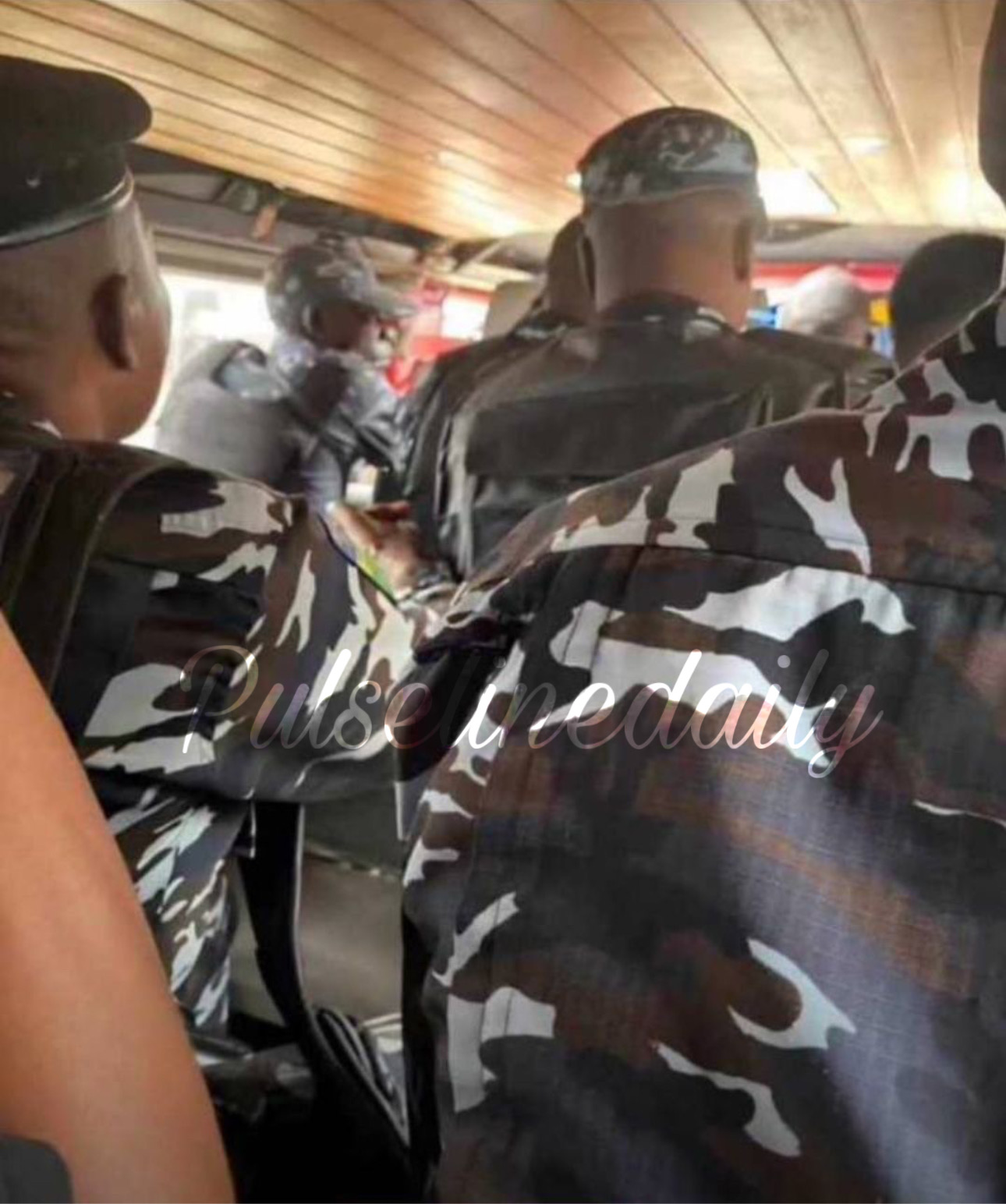
On April 22, 2026, at approximately 5:00 p.m., operatives of the Akwa Ibom State Police Command, acting on credible intelligence, mobilised swiftly to Ikot Aka village in Mkpat Enin Local Government Area, where one Ubong Michael, also known as “Ubong Boy,” aged 30, was apprehended. The suspect had been in hiding in Port Harcourt, Rivers State, and was arrested following intelligence indicating that he had secretly returned to the community.
The Command’s spokesman, DSP Timfon John, disclosed the arrest in a statement issued to journalists in Uyo, confirming that a search conducted at the time of the arrest led to the recovery of deeply disturbing exhibits: one human skull suspected to belong to a victim, one human bone, two live cartridges, and a dagger.
Preliminary investigations revealed that the suspect is a key figure in multiple kidnapping operations, including the abduction of one Gabriel in 2023 and one John in 2025. According to the state police spokesperson, some shocking finds including human remains skull, bones, arms and other incriminating items were recovered from the suspect.
The arrest closes a chapter of prolonged terror in Mkpat Enin and surrounding communities, where Ubong Michael had reportedly operated with impunity before going underground in the Rivers State capital. His return to his home community apparently underestimating intelligence capabilities proved to be his undoing.
The Akwa Ibom Command’s breakthrough is part of a broader wave of anti-cultism and anti-kidnapping operations across Nigeria in recent weeks. The Lagos State Police Command arrested 23 suspected cult members and recovered five firearms in coordinated raids across Ikorodu, Lagos Island, Okoko, Ilasan, Ogba, and Iju with suspects linked to the Buccaneers Confraternity and the Eiye Confraternity.
In Kwara State, police operatives intercepted 98 rounds of live ammunition hidden inside a bag of garri along Ajase-Ipo Road, while separately arresting one Hamza Woru in Kaiama for unlawful possession of a human skull. Investigations revealed that the suspect allegedly exhumed the remains of a deceased female relative for ritual purposes and attempted to sell the skull before being apprehended. The case was charged to court under the Kwara State law prohibiting dealings in human parts.
Back in Akwa Ibom, the State Police Command confirmed that Ubong Michael is currently in custody undergoing further investigation, with prosecution to follow upon completion of the process.
Analysis
The arrest of Ubong Michael is more than a crime story it is a snapshot of a persistent and deeply troubling dimension of insecurity in Nigeria’s South-South region, where cult groups have long operated as shadow governance structures in communities where state presence has historically been weak. What makes this case particularly alarming is the nature of the evidence recovered. A human skull and human bones found in the possession of a 30 years old who had been operating as a kidnapper and cultist for at least two years and who felt confident enough to return to his community after months in hiding speak to a level of brazenness and ritual entrenchment that goes beyond ordinary crime. These are not the artefacts of desperation; they are the instruments of organised, ideologically motivated violence. The intelligence led nature of the arrest is worth noting. The Akwa Ibom Command tracked Ubong Michael to Port Harcourt, monitored his movements, and moved the moment he returned home. That kind of cross state intelligence coordination is not always evident in Nigerian policing, and when it works as it did here the results demonstrate what sustained, information-driven operations can achieve. The broader pattern across states reinforces a concerning national picture. In Lagos, 23 cult suspects arrested in a single sweep. In Kwara, ammunition smuggled inside food bags and a human skull intended for ritual sale. These are not isolated incidents they reflect a nationwide challenge in which cult networks have embedded themselves in communities, using violence, ritual symbolism, and community fear as tools of control. The response from law enforcement has been increasingly assertive. But arrests alone do not dismantle the structural conditions poverty, youth unemployment, weak institutions, and the collapse of community social fabric that make cult recruitment possible in the first place. Ubong Michael was 30 years old. Someone recruited him. The harder question, beyond the arrest, is why and what Nigeria intends to do about it.
Tags